Equine Assisted Therapy

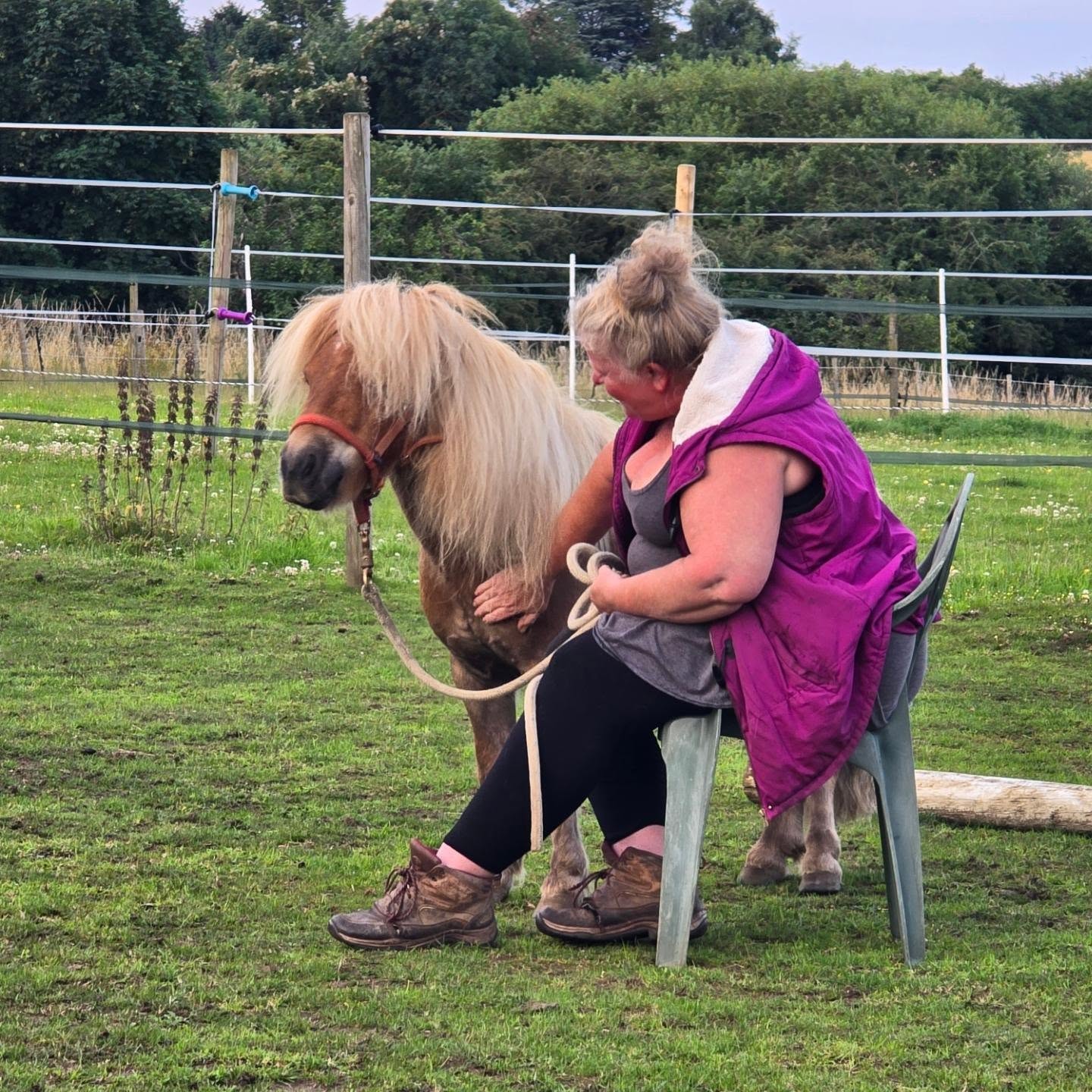
No Reins CiC client in a session with one of the therapy horses.

Equine-Assisted Therapy helps people understand themselves in new ways by working alongside horses. Our sessions aren’t about riding, but about building trust, awareness and communication through simple, guided interaction. The horses reflect what’s happening inside us, offering powerful insight and helping us find calm, confidence and connection. 

Take the Next Step

If you’d like to find out more about EAT or book a discovery session, we’d love to hear from you.
Our sessions are welcoming, inclusive and adapted to individual needs, whether you’re joining for personal growth, emotional support, or simple connection with nature.

Discover Equine Assisted Therapy (EAT) 🐴
What is EAT?

Equine Assisted Therapy is a collaborative approach where you engage in activities with horses, supported by a trained facilitator and often a mental health professional. It is an experiential therapy, meaning you learn by doing and interacting, not just by talking about your problems.

The Horse as Your Partner: Horses are not just pets; they are highly sensitive prey animals that live in the moment and are masters of non-verbal communication.

  • Honest Mirror: A horse has no filter or hidden agenda. They instinctively pick up on your body language, tone, and emotions. If you are anxious, stressed, or unsure, the horse will react accordingly—they might move away, become agitated, or refuse to follow a direction. This immediate, honest feedback acts as a powerful mirror for your internal state, allowing you to see your emotional patterns in real-time.

  • Safety and Trust: Horses offer a unique, non-judgmental relationship. For people whose ability to trust has been damaged, building a bond with a large, gentle animal in a safe setting is a powerful step toward healing.

How EAT Helps

Working with Neurodiversity – For people with Autism or ADHD, the non-verbal focus and need for a focused presence with the horse can be grounding. It offers a structured way to practice social and emotional skills without the pressure of complex human expectations.

Processing Trauma & Grief – EAT offers an avenue to explore difficult emotions and traumatic memories without having to verbally recount them. The relationship with the horse provides comfort and a safe container to process vulnerability and rebuild trust after difficult life events, such as a cancer diagnosis in the family.

Equine Assisted Therapy: Core Benefits

Emotional Regulation – Learning to approach a 1,000-pound animal requires you to be calm and present. If you can manage your own anxiety and emotional energy to receive a positive response from the horse, you develop strong, real-world skills in managing stress, anger, and anxiety.

Self-Confidence & Boundaries – Successfully completing a task with a horse—such as leading it through an obstacle or getting it to walk with you—is an immediate boost to your self-esteem and sense of self-efficacy (the belief in your ability to succeed). You also learn to set clear boundaries and communicate assertively, as a horse requires strong, clear direction.

Communication & Relationships – Since horses react to non-verbal cues, you become intensely aware of your own body language. This helps you understand how you present yourself to the world and improves your ability to communicate clearly and build healthier relationships with people.

Contact us for more information